

Rotterdam Cruise Port Guide: Our Regal Princess Day in the Netherlands

Updated: 24 hours ago
We first visited the Netherlands on our European road trip together in 2019, exploring Amsterdam.
Arriving in Rotterdam six years later aboard Regal Princess gave us a very different introduction.

On our approach, the view from Regal Princess included both contemporary skyscrapers and the working waterfront, as well as the historic Holland America Line headquarters, a famous survivor from before the Second World War.
The working waterfront and newer buildings gave our arrival an industrial feel. We expected that from Europe's largest seaport but only later learned how wartime destruction and rebuilding had shaped the city we were looking at.
Our plan was simple: leave the cruise terminal, walk across Erasmus Bridge, and head for the colorful Markthal, stopping whenever something caught our attention.
Two hours later we returned to the ship. We had enjoyed the walk and were happy with what we had chosen to see.
In this guide, we share our honest impressions of Rotterdam, practical terminal information, and suggestions for passengers wanting to spend more time ashore than we did.

Key Takeaways
● Walking worked well for our visit. We crossed Erasmus Bridge in both directions and had no difficulties leaving or re-entering the terminal.
● Markthal was our standout stop, with colorful artwork, tempting food, and a lively atmosphere. We browsed without buying anything.
● Two hours suited the visit we wanted, but that was our choice. The port published a much longer scheduled call for Regal Princess.
● Our route felt fairly flat and manageable, although Erasmus Bridge has an incline. See our route-specific accessibility notes below.
● We rated Rotterdam 3.5/5: worth getting off the ship for, with an enjoyable walk, but less memorable for us than some other cruise stops.
In This Post...
Our Visit at a Glance
Visited
April 16, 2025
Cruise Ship
Regal Princess
Princess Cruises
Location
Rotterdam
Netherlands
Port
Cruise Terminal
Wilhelminapier
Time Ashore
2 hours
Getting Around
On foot
(both ways)
Explored
Erasmus Bridge & Markthal
Our Rating
3.5/5
Our Highlights
Walking Across Erasmus Bridge
This famous bridge was both our route into the city and an attraction in its own right.
Its white pylon and cables gave us a very different arrival from the canal streets we remembered in Amsterdam, while the river views helped put the scale of the port into perspective.
Crossing Erasmus Bridge on foot was part of the experience, rather than simply a way into town. Seeing our floating home against Rotterdam’s skyline made this one of our favorite views of the ship.
SWIPE FOR MORE →
Designed by Dutch architect Ben van Berkel, Erasmus Bridge connects Rotterdam’s northern and southern banks. Construction began on September 1, 1993, and Queen Beatrix officially opened it on September 4, 1996.
Its distinctive angled pylon earned it the nickname “The Swan,” and it has become one of the city’s most recognizable landmarks.

The best part was getting a good look at Regal Princess again. Seeing our floating home from a distance, framed by a city skyline, is always interesting when we spend so much time seeing it from the inside!
The Color and Buzz of Markthal
Markthal was our main destination and turned out to be our favorite stop.
The huge arch, colorful ceiling, and rows of food stalls gave us plenty to admire before we had even thought about buying anything.
The color and buzz inside Markthal made it the standout stop of our Rotterdam visit. We were tempted by the food, but enjoyed simply browsing without buying anything.
SWIPE FOR MORE →
We were tempted by the food but happy to browse, knowing there was plenty waiting for us back on the ship.
We enjoyed looking up at the artwork, browsing the food stalls, and taking in the buzz. After visiting so many markets in Asia over the years, it was fun to explore a European alternative!

Street Art and Unexpected Details
We really enjoyed the street art and public sculptures we came across. Markthal may have been our destination, but the artwork gave us plenty of reasons to pause along the way.
The street art gave us a reason to pause almost as soon as we left the port. The public art added interest to a city that felt quieter than we had expected.
SWIPE FOR MORE →
The architecture caught our eye too. Between the newer buildings, decorative entrances, sculpted reliefs, and older facades had us stopping for photographs.
We enjoyed wandering together and seeing what caught our attention next.
The History of Rotterdam

From the Rotte to a World Port
Rotterdam takes its name from a dam built on the River Rotte around 1270. The settlement received city rights in 1340, then grew through trade and its connections to surrounding waterways.
The Rotterdam City Archives history explains how the city expanded toward the Maas and developed its harbor basins.
One major turning point was the construction of the Nieuwe Waterweg, completed in 1872, which improved access between Rotterdam and the North Sea.
Today, the Port of Rotterdam Authority describes Rotterdam as Europe's largest port.
The industrial character we noticed therefore makes sense. Cruise passengers arrive in a city shaped by maritime work and international trade.
May 1940 and the City We See Today
The German bombing on May 14, 1940, devastated much of central Rotterdam. Its postwar rebuilding helps explain why our walk felt so different from the older streets we remembered in the capital.

Ossip Zadkine's The Destroyed City is a powerful reminder of that loss. Its raised arms and missing heart represent the destruction of Rotterdam's center.
The city's reconstruction history project documents the memorial's unveiling in 1953.
Transatlantic Connections on the Waterfront
Hotel New York, the former Holland America Line headquarters, caught our eye from the ship.
A Dutch passenger told us about its significance, giving us another reason to look more closely.

Completed in 1901, the building stands on Wilhelminapier, where generations of European emigrants boarded ships for North America.
Arriving here on our own transatlantic crossing gave that history a particular connection to our visit.
The building survived the war and reopened as Hotel New York in 1993. Its historic facade stood out against the modern towers around it, a reminder of the waterfront's earlier life.
Exploring Independently
Our Port Hours Versus Our Time Ashore
Regal Princess visited Rotterdam on April 16, 2025. We arrived at 8 am and were due for departure at 9 pm, meaning a scheduled 13 hours in port.
We went ashore around 10 am and returned a couple of hours later, in time for lunch!
With a scheduled 13-hour call, we had plenty of time available. We simply felt happy with what we had chosen to see that morning.

⚠️ For your own sailing, check when passengers can disembark and follow the ship's all-aboard deadline, which is earlier than its departure time.
Leaving the Terminal and Crossing the Bridge
It was just the two of us exploring. We left the terminal without any issues and headed toward Erasmus Bridge.
Leaving the terminal was straightforward, and this was the start of our couple of hours ashore. We walked both ways, although the passing trams were a reminder that other transport options were nearby.
SWIPE FOR MORE →
The walk gave us waterfront views and time to stop for photographs. We crossed the bridge on foot, then continued into central Rotterdam toward Markthal.
Through the City to Markthal
Between the bridge and the market, we stopped for public art, the wartime memorial, and architectural details. We were following our interests rather than trying to complete an attraction checklist.
We remember relatively few shops or cafes open on the streets we chose that cool weekday morning. It explains why it felt so quiet, although we were surprised for such a busy port city.
At the time of writing, Markthal opens from 10am Monday through Saturday and noon on Sunday, with holiday exceptions. Check the market's official visitor information for full business hours.
The Cube Houses, Seen From a Distance
We had considered getting closer to the Cube Houses but decided we could see them well enough through the camera.
We did not walk around the complex or enter the museum house. In hindsight perhaps we should have, certainly with time not being an issue.
They do look super cool, though. If you do head in, give us a shout and let us know what it is like inside!

Historic Buildings and Leuvehaven
Along the way, we admired Laurenskerk from outside, stopped by Schielandshuis, and photographed the historic boats at Leuvehaven.
We stayed outdoors here, without entering the church or the Maritime Museum.
The contrast between older buildings and the modern city was one of the details we noticed along the A glimpse of older Rotterdam among the city’s newer architecture; Laurenskerk Church
SWIPE FOR MORE →
Leuvehaven is the harbor beside the Maritime Museum. It is separate from the Old Harbour, or Oude Haven, near the Cube Houses, a useful distinction when planning your walk.
Returning to Regal Princess
We walked back across Erasmus Bridge, enjoying another look at the river and Regal Princess before returning to the terminal.
Getting back aboard was straightforward, and we were soon ready to eat. Being back before the crowd did give us a quieter buffet, which was nice.
If you would prefer to save your legs for exploring, a taxi back to the cruise terminal is another option.
Depending on where you finish your day, public transport to Wilhelminaplein could also shorten the walk, with the final stretch to the terminal still on foot.
What to See With More Time
With most of the day available, there is room to extend this walk according to your interests.
The simplest extension would be a closer visit to the Cube Houses and Old Harbour. A visit inside Laurenskerk or the Maritime Museum would add depth to the history and maritime themes already visible along our route.
Beyond the places we saw, Rotterdam Centraal, Delfshaven, the Euromast, and a harbor cruise are other options for a longer day.
Choose a manageable addition and check its current opening arrangements rather than trying to fit everything into one circuit.
For a broader self-guided route, Rotterdam Tourist Information offers a downloadable city walk. It starts at Rotterdam Centraal, so it needs adapting for a cruise-terminal departure and is not the exact route we followed.
🎟️ Would a Guided Tour Be Worthwhile?
We did not need a tour for our walk. A guided architecture walk, harbor cruise, or longer excursion could suit passengers who want more context or a different perspective, particularly if you have most of the day available.
💡 Compare the actual meeting point, duration, and return arrangements before booking. A tour advertised in Rotterdam does not necessarily collect passengers from the cruise terminal.
ℹ️ These are suggestions for extending the day; we have not personally tested the tours.
How to Get from the Cruise Terminal to the City
The main ocean-cruise terminal is at Wilhelminakade 699 on Wilhelminapier, south of the river.
It is important to check your assigned berth, especially if your cruise documents name a different arrival point.
Walking over Erasmus Bridge
Follow the pedestrian route from Wilhelminapier to Erasmus Bridge, cross to the north bank, and continue toward the part of the center you want to explore.
As a planning estimate, allow roughly 30–40 minutes to walk directly to Markthal, depending on pace and crossings. Add time for photographs and stops along the way.
Metro and tram
Wilhelminaplein is the nearby metro station. Lines D and E connect it with Beurs and Rotterdam Centraal; Blaak, near Markthal, is served by lines A, B and C, so a metro journey there involves a change at Beurs.
Trams are another option. Use the RET journey planner for your travel date and check lift status if step-free access is essential. We did not use either service.
Taxis
The terminal operator lists taxis among its facilities. A taxi can be useful for limited mobility, poor weather, or a longer itinerary. Confirm the destination, fare arrangement, and accessible-vehicle requirements before setting off. We did not take a taxi or test a cruise shuttle.
Water transport
Water taxis offer another view of Rotterdam, while water buses serve routes farther through the region. These are different services with different stops and booking arrangements.
Check the official transport overview and the operator for your route. Water-taxi boarding can involve steps, so check access arrangements before booking.
Tips for Visiting
Jenn posing by modern street art near Wilhelminapier Historic red cast-iron lighthouse
Plan Around Your Interests
Allow extra time if you want a relaxed lunch, a museum visit, or a closer look at the Cube Houses. Choose the stops that appeal to you and leave space to enjoy them.
Bring Layers, Even for a Short Walk
Our morning was cloudy and fairly cool, although it did not rain. A layer you can put on or remove is useful when moving between the waterfront, bridge, and indoor market. Comfortable shoes matter more than dressing for a long excursion.
Watch the Cycle Lanes
The bridge and city streets carry cyclists as well as pedestrians. Keep to the walking space and stop for photographs without blocking the route. Looking up at the architecture makes it surprisingly easy to forget what is happening at ground level.
Leave a Comfortable Return Margin
Keep the terminal address saved and plan to be back comfortably before your ship's stated all-aboard deadline. Add a buffer for queues or transport delays, and follow any return instructions issued onboard.
Keep Costs in Perspective
Our walk cost us nothing ashore. Budget separately for any transport, meals, or paid attractions you add.
The currency is the euro. If you use public transport, contactless payment through OVpay is available with supported cards and devices. Check in and out using the same payment method, and check current ticket options before deciding whether a day pass is worthwhile. Rotterdam Tourist Information's transport guide explains the choices.
Treat Accessibility as Route-Specific
We found our walk fairly flat and noticed no obvious access problems along the route we used. We were walking, however, and cannot assess every crossing, curb, gradient, doorway, or boarding arrangement for wheelchair users.
The bridge still involves an incline, and museum interiors can have different access arrangements from surrounding streets. RET provides accessible-transport information and lift-disruption updates. Check the facilities you need before setting out, including your ship's gangway arrangements.
Our Experience Rating
Rotterdam, Netherlands

We enjoyed Erasmus Bridge, the street art, and, most of all, the color and atmosphere inside Markthal. As history lovers, though, we missed some of the older European character we had enjoyed in Amsterdam.
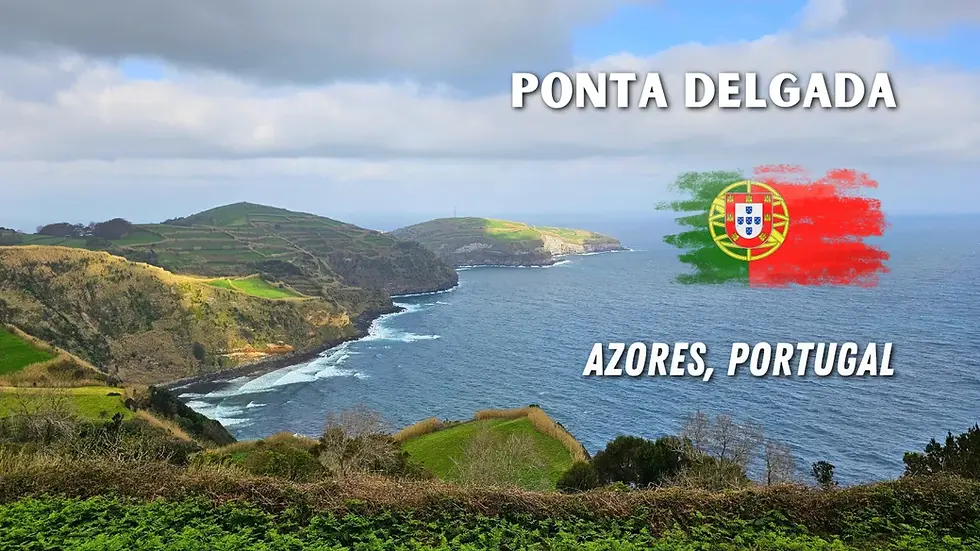
Our first stop on this cruise, the Azores of Portugal, was always going to be a tough one to follow. Rotterdam's working waterfront and modern skyline offered a very different experience from those island landscapes.
We were glad we stayed to explore Rotterdam rather than heading farther into the Netherlands.
Learning more about its history helped us understand why it looked and felt so different from our previous Dutch visit.
We rated our visit 3.5/5. There were no particular disappointments, and we enjoyed our morning together, but it was less memorable for us than some other cruise stops.
We would still recommend getting off the ship, especially for a first taste of the Netherlands.
FAQ
Where do ships dock?
The main ocean-cruise terminal is Cruise Terminal Rotterdam at Wilhelminakade 699 on Wilhelminapier. Regal Princess docked beside this terminal during our visit. Confirm your own assigned berth with the cruise line, as logistics can differ if another location is used.
Can I walk into the city?
Yes. We walked across Erasmus Bridge to Markthal and returned by the same bridge. Allow roughly 30–40 minutes each way for a direct walk, plus time for photographs and sightseeing.
Is exploring easy?
It was for us. Leaving and re-entering the terminal was straightforward, and our chosen sights were connected by a manageable walking route. A tour was unnecessary for the outing we wanted. Public transport or a taxi may suit travelers who want to cover more ground or reduce walking.
How long do I need?
Our walk and Markthal browsing took around two hours. Allow longer for a meal, museums, the Cube Houses or a harbor cruise. We chose a short outing during a scheduled 13-hour call, so there was plenty of scope to stay ashore longer.
Is it worth a cruise stop?
We think it is worth disembarking. Erasmus Bridge, Markthal, public art, and waterfront views made a pleasant introduction, and we rated the experience 3.5/5. It was less memorable for us than some other port days, but there were no particular disappointments or logistical problems.
What is it famous for?
Its major port (the largest and busiest in Europe), modern architecture, and striking skyline are central to its identity. Erasmus Bridge, Markthal, and the Cube Houses are familiar landmarks. The destruction of much of the center in May 1940 and subsequent rebuilding help explain the contrast between Rotterdam and older Dutch city centers.
Was your visit expensive?
No. We spent nothing ashore because we walked and browsed without making purchases. Allow a separate budget for meals, transport, tours and admission charges.
Can I visit Amsterdam instead?
It can be possible on a sufficiently long call, but it is a separate excursion requiring travel to Rotterdam Centraal, the intercity journey, time in Amsterdam, and a generous return margin. Check the NS planner for your exact date, including any required supplement. We stayed in Rotterdam and did not test this transfer on our cruise.
Is it wheelchair accessible?
We noticed no obvious access issues on our fairly flat walk but were not assessing it as wheelchair users. Erasmus Bridge has an incline, and lifts, crossings, attraction entrances, and the ship’s gangway all matter. Check the RET accessibility and disruption information and any venues directly before deciding on a route.
What should I see?
You could combine Erasmus Bridge and Markthal with the Cube Houses and Old Harbour, then add a museum or harbor cruise. Choose according to your interests and the ship's all-aboard deadline.
Related Reads
Our Regal Princess transatlantic cruise review puts Rotterdam in the context of the full crossing, from Fort Lauderdale to Southampton.
For a contrasting day from the same sailing, read our Azores cruise stop guide, which follows our taxi trip around São Miguel.
Our cruise love story explains why stepping aboard together still means so much to us.
Browse our Cruises hub for the wider series or our Netherlands country guide for more destination information.


Comments