
Thailand: Temples, Treehouses & Water Fights in the Land of Smiles
Your Guide to the Land of Smiles
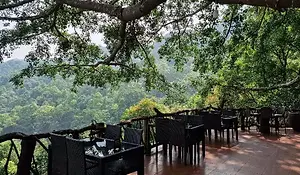
Thailand hit us with color, chaos, and calm all at once. We celebrated Songkran in the streets of Phuket, got drenched and grinning, and then slowed it down in Chiang Mai, where golden temples and forest cafés offered a different rhythm. We stood beneath towering Buddhas at Wat Arun, explored hidden eateries, and wandered through surreal spots like the White Temple and Blue Temple in the north. From the epic treetop views at The Giant Chiang Mai Treehouse Café to the calm waters of Pattaya’s Sanctuary of Truth, this country kept surprising us. This guide brings you our real experience. Temples, street food, local tips, must-sees, and everything in between.
Quick Navigation
Share This Guide
Discover
Our Top Recommended Places
Our Interactive Map & Guide to Thailand
Check out all the places we visited in Thailand with our interactive map from Wanderlog. Tap any of the numbers for more information, including directions, our blog posts, links to reviews, and much more.
Wanderlog is a free travel planning app that allows users to create trip itineraries, organize flights, hotel, and car reservations, view places to visit on a map, and collaborate with friends. It saves time and is super easy to use!
If you see nothing here, please refresh the page
Use our interactive map to easily locate the top hotels here, sourced from a variety of reputable platforms such as Booking.com, Vrbo, Expedia, Get Your Guide, and Hotels.com.
Powered by Stay22, our map allows you to zoom easily, providing a comprehensive view and so you can identify the most convenient hotel options based on your current location or desired destination.
Find the Best Deals on Top Hotels in Thailand
Top Activities - Book in Advance
Interesting Facts
Here are 15 interesting facts about Thailand. Some may just surprise you!
1. Thailand is Known as the “Land of Smiles.” Renowned for the warmth and friendliness of its people, smiles are a common part of everyday life.
2. Bangkok has the World’s Longest Place Name: The full ceremonial name of Bangkok is the longest city name in the world, though most use its short name.
3. Thailand Was Never Colonized by a European Power: It remains the only Southeast Asian country never to have been colonized, preserving its unique culture.
4. Thai Cuisine Is Famous Worldwide: Dishes like Pad Thai, Tom Yum, and Green Curry are beloved for their balance of sweet, sour, salty, and spicy flavors.
5. Thailand Has Over 40,000 Buddhist Temples: These temples, or wats, play a vital role in Thai culture and spirituality.
6. The Thai King is Highly Revered: The monarchy holds a special place in society, with strict lèse-majesté laws protecting the royal family.
7. The Country Hosts the World’s Largest Annual Water Fight: The Songkran Festival marks the Thai New Year with nationwide water battles and celebrations.
8. Elephants Are Thailand’s National Symbol: They have historical significance and are celebrated in festivals and conservation efforts.
9. Thailand’s Rail System Includes the Famous Death Railway: Built during World War II under harsh conditions, it connects Thailand with Myanmar.
10. Muay Thai is Thailand’s National Sport: This traditional form of kickboxing is both a cultural heritage and a popular sport worldwide.
11. Thailand’s Beaches Are Among the World’s Most Beautiful: Destinations like Phuket, Krabi, and Koh Samui attract millions of tourists annually.
12. The Country Celebrates Loy Krathong Festival: Participants release decorated baskets onto rivers to honor the water goddess and let go of negativity.
13. Thai Silk is a World-Renowned Textile: Known for its quality and beauty, Thai silk is a key part of the country’s cultural heritage.
14. The Country Has a Diverse Ecosystem: From dense jungles to mountainous regions and coral reefs, Thailand’s biodiversity is rich and varied.
15. Thailand’s National Anthem is Played Twice Daily: At 8 a.m. and 6 p.m., the anthem is broadcast on the radio and played in public places, showing national pride.
Latest Posts


It’s Halloween All Year at Coffee Witches House – A Quirky Café Stop Between Chiang Mai and Pai


Visa Extension in Chiang Mai: How to Extend Your Stay in Thailand


Celebrating Loi Krathong in Thailand: A Traveler’s Guide to the Festival of Lights
Travel Advice


Visa Extension in Chiang Mai: How to Extend Your Stay in Thailand


Celebrating Loi Krathong in Thailand: A Traveler’s Guide to the Festival of Lights


Thailand Visa-Free 30 Days: Latest Update for Travelers
Top Destinations


Nong Nooch Botanical Garden, Pattaya: Thailand’s Tropical Paradise


Sanctuary of Truth, Pattaya: The All-Wood Wonder with No Nails


Wat Arun, Bangkok: History, Tips, and How to Get There
Travel Essentials
Travel Information for Thailand: Practical Tips & Essentials
Internet, SIMs, Dial Code & Plug Sockets
Thailand offers reliable internet coverage in most urban areas, making it easy to stay connected whether you’re in Bangkok, Chiang Mai, or island-hopping in the south.
Major cities have widespread 4G and expanding 5G coverage, and Wi-Fi is commonly available in hotels, cafés, shopping malls, and even some public transport hubs.
Rural areas and islands may experience occasional slow speeds or outages, but SIM cards and portable eSIMs help bridge the gap.
Save 50% on NordPass Premium
NordPass is more than an intuitive password manager – it helps both businesses and individuals easily secure and monitor access to their online accounts and sensitive information.
Get 73% off NordVPN's
2-year plan
The most advanced VPN with additional features. One of the fastest VPNs globally. Secures up to 10 devices using a single account. Helps you avoid phishing, scams, and malware threats.
Internet Service Providers (ISPs) in Thailand
Thailand has several major ISPs that offer both fixed-line and mobile data services:
● AIS Fibre: Fast speeds and excellent urban coverage, often bundled with mobile plans.
● True Online: Another top choice with strong broadband packages and customer service.
● 3BB: A reliable provider available in many regions, including less-touristed areas.
● NT: A state-owned provider with a broad infrastructure base, especially outside city centers.
💡 Tip: If you're staying long-term, many condos and apartments already include Wi-Fi with their rent — ask before signing up for a new plan.
Mobile Phone Options for Tourists
Prepaid SIM cards are cheap, fast to activate, and widely available at airports, 7-Eleven stores, and convenience shops throughout Thailand. You can expect generous data allowances and great coverage even in remote areas.
Popular tourist SIMs:
● AIS Traveller SIM: 15–30-day plans with data and call packages, often with airport kiosks.
● DTAC Happy Tourist SIM: Great for short trips, with strong urban and island coverage.
● TrueMove H SIM for Tourist: Offers high-speed data and access to the True Wi-Fi network across the country.
💡 Tip: Bring your passport when purchasing or registering a SIM. Registration is required by law and must be done at the time of purchase.
💡 eSIMs are a convenient option for newer phones. They’re ideal for short stays and can be activated online before or upon arrival. Be sure your phone is eSIM-compatible.
If you have an unlocked phone, international eSIM providers are an easy way to stay connected:
● GigSky: Quick setup, reliable data plans, and good for frequent travelers.
● Saily: Flexible and budget-friendly eSIM options, great for short-term trips.
● Simbye: Designed with travelers in mind, offering instant eSIM activation and fair pricing.
Thailand Dial Code
To call Thailand from abroad, use the following format:
● International Dialing Format: +66 followed by the local number (omit the initial 0).
Example: +66 2 123 4567 (for a Bangkok landline)
● Thailand Exit Code (to call out): 001
Example: To call the UK from Thailand, dial 001 44 20 7946 0991
● Local Calls Within Thailand: Include the full number with the leading 0.
Example: 02 123 4567 (Bangkok), 081 234 5678 (mobile)
💡 Tip: Mobile numbers in Thailand begin with 06, 08, or 09, while landlines start with a city code like 02 (Bangkok) or 053 (Chiang Mai).
Plug Sockets in Thailand
Thailand uses Type A, Type B, and Type C sockets. Most outlets accept two-prong flat or round plugs, though grounding pins may be missing in older buildings.
● Voltage: 220 V
● Frequency: 50 Hz
⚠️ Voltage Safety Tip:
Most modern electronics (laptops, phone chargers, etc.) support 110–240 V. Still, double-check your gear before plugging in.
🔌 Adapters Needed:
Bring a universal adapter with surge protection to accommodate all socket types and avoid power fluctuations during storms.
.jpg)

Thai Cuisine
Thai cuisine is celebrated around the world for its bold flavors, vibrant presentation, and perfect balance of sweet, sour, salty, and spicy.
Whether you're grabbing street food in Bangkok or enjoying a countryside curry in Isan, eating in Thailand is both an adventure and a cultural experience.
Meals are often shared, and dishes are designed to be enjoyed with rice, dipping sauces, and fresh herbs.
Staples
Rice is the heart of Thai cuisine, often served with every meal. It comes in many varieties and plays a central role in both sweet and savory dishes.
● Jasmine Rice (Khao Hom Mali): The most common rice in Thailand, fragrant and fluffy.
● Sticky Rice (Khao Niew): A staple in northern and northeastern Thailand, eaten with the hands.
● Fried Rice (Khao Pad): Stir-fried with egg, onion, and often seafood or chicken.
● Congee (Jok): A savory rice porridge eaten for breakfast, often with pork and egg.
● Rice Noodles (Sen Lek): Used in dishes like Pad Thai and boat noodles.
💡 Tip: In northern Thailand, sticky rice is typically eaten by hand, rolled into small balls, and dipped into sauces or used to scoop food.
Meat Dishes
Thai meat dishes are often rich in spices and herbs, using a variety of cooking techniques like grilling, stir-frying, and stewing.
● Pad Kra Pao: Stir-fried minced meat with holy basil, garlic, and chili, served with rice and a fried egg.
● Gai Yang: Grilled marinated chicken, commonly found at roadside stalls.
● Moo Ping: Skewered and grilled pork, marinated in a sweet-salty blend.
● Massaman Curry: A rich, Muslim-influenced curry made with beef or chicken, potatoes, and peanuts.
● Khao Kha Moo: Braised pork leg on rice, slow-cooked with spices and served with pickled mustard greens.
💡 Tip: Thai spice levels can be intense. Always ask for "mai phet" (not spicy) or "phet nit noi" (a little spicy) if you're unsure.
Other Specialties
Beyond meat and rice, Thai cuisine features a wide array of soups, stir-fries, and seafood-based dishes.
● Tom Yum Goong: A spicy and sour shrimp soup with lemongrass, lime leaves, and mushrooms.
● Som Tum: Green papaya salad with chili, lime, fish sauce, and sometimes crab or dried shrimp.
● Pad Thai: Stir-fried noodles with tofu, egg, peanuts, bean sprouts, and your choice of meat.
● Tom Kha Gai: A coconut milk chicken soup flavored with galangal, lemongrass, and kaffir lime.
● Hor Mok: Steamed fish curry custard served in banana leaves, particularly popular in the south.
💡 Street food vendors often specialize in just one or two dishes. If you see a long line, chances are it's worth the wait.
Thailand Desserts
Thai desserts range from syrup-soaked delights to coconut-infused rice creations and tropical fruits.
● Mango Sticky Rice (Khao Niew Mamuang): Sweet sticky rice with ripe mango and coconut cream.
● Tub Tim Grob: Crunchy water chestnuts in coconut milk and crushed ice, also called "red rubies."
● Khanom Buang: Crispy Thai crepes filled with sweet or savory ingredients like coconut or egg yolk threads.
● Coconut Ice Cream: Often served in a coconut shell with toppings like sticky rice, peanuts, and condensed milk.
● Luk Chup: Miniature fruit-shaped sweets made from mung bean paste and dipped in jelly.
💡 Tip: Thai desserts are often sold from carts around markets and temples. Don’t hesitate to try unfamiliar items — many are local favorites.
Food Delivery
Thailand has a booming food delivery scene, particularly in big cities. From street food to gourmet, everything is just a few taps away.
Popular apps include:
● GrabFood: Widely available, offers local and international cuisine.
● LINE MAN: Great for locals, especially in urban areas.
● Robinhood: A Thai-owned app with no commission fees to restaurants.
💡 Tip: Delivery drivers often call when they arrive, so keep your phone handy or use your accommodation's name and clear instructions in the app.
Eating in Thailand is about more than just taste — it’s a social experience steeped in regional traditions and ingredients.
The country’s food culture is diverse and fast-paced, with each region offering its own twist on classic dishes.
Whether you’re indulging in a bowl of noodles at a busy street market or joining a family-style meal in a rural home, Thai cuisine will likely be one of your most memorable travel highlights.
Culture & Customs in Thailand
Thailand’s rich cultural heritage is rooted in ancient traditions, royal influences, and Buddhist philosophy.
Social harmony, respect for hierarchy, and national pride are deeply embedded in everyday life.
Whether you're wandering through a bustling market or visiting a quiet temple, understanding Thai customs will enhance your interactions and help you connect more meaningfully with locals.
Family & Social Interactions
Family forms the backbone of Thai society, and strong intergenerational bonds are common, especially in rural areas. The concept of "Kreng Jai" (consideration for others) governs personal interactions.
● Families often live together or nearby, and elders are treated with high respect.
● Children are expected to support their parents financially as they age.
● Public displays of affection are uncommon and considered inappropriate.
● Social harmony is highly valued, and open confrontation is avoided.
● Friends are frequently referred to using familial terms like "sister" or "brother."
● When visiting a home, removing your shoes is expected and considered respectful.
💡 Tip: Show respect by using polite language and a gentle tone. When greeting someone, especially elders, use the traditional wai gesture — palms pressed together near the chest with a slight bow.
Religion & Customs
Theravāda Buddhism is practiced by over 90% of Thais, influencing everything from daily routines to public holidays. Religious tolerance is strong, but Buddhist customs dominate.
● Monks are highly respected and are given seats on public transport and priority in queues.
● Women should not touch monks or hand items directly to them.
● Merit-making practices like giving alms, releasing fish or birds, and lighting incense are widespread.
● Spirit houses are common outside homes and businesses, believed to ward off bad energy.
● Major holidays include Songkran (Thai New Year), Visakha Bucha (Buddha’s birthday), and Loy Krathong (lantern festival).
💡 Tip: Always dress modestly when visiting temples. Shoulders and knees should be covered, and shoes must be removed before entering.
Daily Life & Traditions
Thai daily life reflects a balance between tradition and modern convenience. Urban areas move quickly, but rural customs remain strong.
● The day often begins early, especially in farming communities.
● Local markets are vital community hubs and start before dawn.
● Many people eat multiple smaller meals throughout the day, often from street vendors.
● Traditional massage and herbal medicine remain popular wellness practices.
● Respect for the monarchy is deeply ingrained, and criticizing the royal family is illegal.
💡 Tip: At 8 am and 6 pm daily, the national anthem is played in public spaces. Locals stop and stand in respect — follow their lead.
Etiquette
Thai etiquette is shaped by humility, politeness, and a deep sense of social hierarchy. Public behavior matters, and your conduct reflects on those around you.
● Always remove your shoes before entering a home or temple.
● Avoid touching anyone’s head — it is considered the most sacred part of the body.
● Never point your feet at people or religious objects.
● A calm demeanor is valued; losing your temper in public is seen as shameful.
● Gifts are opened privately, and tipping is appreciated but not obligatory.
● Bargaining is expected in markets, but always done with a smile and calm voice.
💡 Tip: Use your right hand or both hands when handing over money or items — the left hand is considered unclean.
Celebrations
Thailand hosts a vibrant calendar of festivals filled with color, water fights, candles, and spiritual rituals. Many festivals align with the lunar calendar or Buddhist events.
● Songkran (April): The Thai New Year, famous for nationwide water fights and temple visits.
● Loi Krathong (November): A festival where floating baskets are released on water to honor the goddess of rivers.
● Yi Peng: Celebrated in the north, featuring floating sky lanterns released into the night sky.
● Chinese New Year: Especially vibrant in areas like Bangkok’s Chinatown and Phuket.
● King’s Birthday / Father’s Day: December 5th is celebrated with parades and public displays of devotion to the monarchy.
💡 Tip: Festival periods can affect transport and accommodation — book early if visiting during Songkran or Loy Krathong.
Thailand’s culture is built on layers of respect, spirituality, and community. Visitors who take the time to observe and adapt to local customs are often met with warmth and kindness.
Whether sharing a wai or participating in a temple ceremony, small gestures of understanding go a long way in building authentic travel experiences.
Currency in Thailand
Thailand’s official currency is the Thai Baht (THB), used exclusively across the country.
Coins and notes are widely accepted, and although digital payments are becoming more popular, cash still dominates in smaller towns, markets, and transport services.
Understanding how to manage your money in Thailand will help you avoid fees and ensure smooth transactions.
Get a Fee Free Transfer of up to 800 CAD
Save when you send, receive and spend worldwide. Send 50+ currencies, fast, free from hidden fees and exchange rate markups.
Spend $20 in 30 days & get $20 cash back
Open a Canadian KOHO Bank account as a new user using our code:
LBJDEPD4
Denominations
The Thai Baht comes in both coins and banknotes, with color-coded designs featuring the royal family and notable temples.
● Banknotes: ฿20 (green), ฿50 (blue), ฿100 (red), ฿500 (purple), ฿1,000 (grey).
● Coins: ฿1, ฿2, ฿5, and ฿10
💡 Tip: Thai coins are often similar in size and color, so double-check before handing them over, especially in busy markets.
Exchanging Currency
Currency exchange is widely available in airports, banks, malls, and tourist hotspots. Rates in the city are usually better than at the airport.
● SuperRich (green or orange branches) is a popular exchange chain with favorable rates.
● Money changers in Bangkok, Chiang Mai, and Phuket often offer better deals than banks.
● A passport is required for any exchange transaction.
● Avoid exchanging currency at hotel front desks due to poor rates.
● Currency exchange kiosks are common in tourist areas.
💡 Tip: Only exchange what you need at the airport. Wait to make larger exchanges at trusted outlets in the city for better rates.
Payment Options for Foreigners
Cash is king in many parts of Thailand, though digital options are on the rise in cities.
● Credit cards (Visa and Mastercard) are accepted in hotels, restaurants, and malls.
● Many vendors still prefer cash, especially for food, taxis, and local transport.
● QR code payments via apps like PromptPay are popular among locals.
● ATMs are widely available but may charge a ฿220–250 withdrawal fee per transaction.
● Prepaid travel cards can be used to avoid currency conversion charges.
💡 Tip: Always carry small change for tuk-tuks, street food vendors, and public toilets, which often cost ฿3–5.
Additional Information for Tourists
Thailand is generally affordable, but budgeting well can stretch your money even further.
● Haggling is expected in markets, but not in supermarkets or department stores.
● Prices may increase in tourist-heavy areas, so shop around when possible.
● Always check if tax and service charges are included in restaurant bills.
● Receipts: Keep receipts for VAT refunds if you're making large purchases as a non-Thai resident.
● Public transport, food, and accommodation are cheaper outside the major cities.
● Be cautious when using foreign cards at ATMs — avoid dynamic currency conversion (DCC), which shows prices in your home currency at worse exchange rates.
💡 Tip: Use fee-free cards like Wise or Revolut to reduce international transaction fees and get close to mid-market exchange rates.
Reputable Banks in Thailand for Exchanging Currency or Using ATMs
● Bangkok Bank: Reliable and widely available, good exchange services.
● Kasikorn Bank (KBank): ATMs are easy to find and user-friendly.
● Krungthai Bank: Government-owned, good for bill payments and standard banking.
● Siam Commercial Bank (SCB): Offers competitive ATM and card services.
● TMBThanachart (TTB): Offers English support at many branches.
💡 Tip: Try to withdraw larger amounts in one go to minimize ATM fees, which apply to every foreign transaction regardless of amount.
Information About Thailand
POPULATION
Thailand is home to around 71 million people, with Bangkok being the most densely populated city.
CURRENCY
Thailand uses the Thai Baht (THB). Notes are available in denominations of 20, 50, 100, 500, and 1,000 baht. Coins include 1, 2, 5, and 10 baht, plus smaller satang coins.
CAPITAL
The capital of Thailand is Bangkok (11m), known locally as Krung Thep Maha Nakhon. It's a sprawling city filled with markets, palaces, tuk-tuks, skyscrapers, and canals.
SPEED / DISTANCES
Urban Areas: 50 km/h
Rural Roads: 80–90 km/h
Motorways: 120 km/h
Be aware that speed limits are enforced with fines and occasional radar checks. Many highways have toll booths, especially when entering or leaving major cities.
TIME ZONES
Indochina Time (ICT), which is UTC +7. There is no daylight saving time. The time is the same across the entire country.
ALCOHOL AGE
The legal age to purchase or consume alcohol in Thailand is 20 years old. Sales are regulated by time: you can only buy alcohol between 11 am – 2pm & 5 pm – 12 am.
DRIVING
Vehicles drive on the left side of the road, and motorbikes are a common mode of transport. International drivers should have an International Driving Permit (IDP) alongside their national license.
SMOKING AGE
The legal age for purchasing and smoking tobacco in Thailand is 20 years old. Smoking is banned in most public buildings and on many beaches, especially in resort areas like Phuket and Pattaya.
Health & Safety in Thailand
Thailand is generally a safe country for travelers, with world-class healthcare in major cities and a strong tourism infrastructure.
However, staying informed and cautious can help you avoid common health and safety issues.
From navigating traffic to staying hydrated in the tropical heat, good preparation ensures a smooth trip.
Health insurance for nomads & travelers
Global medical & travel coverage for when you get sick or injured abroad. Get essential or full health coverage. Buy anytime, anywhere.
Medical Care
Thailand boasts excellent healthcare in major urban centers, especially in Bangkok, Chiang Mai, and Phuket.
● International hospitals like Bumrungrad (Bangkok) and Bangkok Hospital Group provide high standards of care.
● Clinics and pharmacies are abundant and often open late, even in tourist areas.
● Most hospitals require upfront payment; travel insurance is strongly advised.
● Over-the-counter medication is easily available, but always check with a pharmacist.
● Smaller towns may have limited facilities, but doctors usually speak basic English.
💡 Tip: For minor ailments, local clinics can be quick and affordable. Always bring a copy of your passport and insurance details.
General Health
Staying healthy in Thailand is usually simple if you're cautious with food, water, and the sun.
● Tap water is not safe to drink; always buy bottled or filtered water.
● Street food is generally safe, but choose busy stalls with high turnover.
● Dengue fever exists in tropical areas, especially during the rainy season.
● Avoid swimming in lakes or still freshwater due to bacteria and parasites.
● Air pollution is an issue in Northern Thailand during the Burning Season.
● Wear sunscreen and stay hydrated, especially in southern regions.
💡 Tip: Consider packing electrolytes or rehydration salts, especially if traveling during hot season or doing outdoor activities.
Safety & Security
Thailand is considered safe, but like anywhere, petty crime can happen, especially in tourist hubs.
● Pickpocketing and bag snatching occur in crowded places like markets and transport hubs.
● Scams targeting tourists include inflated tuk-tuk fares, gem scams, and motorbike rental disputes.
● Avoid political demonstrations or protests, particularly in Bangkok.
● Drug laws are strict and penalties severe, despite recent changes around cannabis.
● Police checkpoints are common — carry your passport or a copy at all times.
💡 Tip: Don’t leave your bag hanging on your shoulder while riding a scooter. Thieves may try to snatch it while driving past.
Safety Resources
Staying informed is easy thanks to helpful local and digital resources.
● The Tourist Police (dial 1155) are trained to assist foreigners and speak English.
● Apps like Thai 1122 Health Hotline or Tourist Buddy Thailand can assist in emergencies.
● Google Maps is reliable for finding the nearest hospitals, clinics, or pharmacies.
● Use Grab (ride-hailing app) for safer and more transparent transportation in cities.
● Most hotels and hostels provide emergency contact lists at reception.
💡 Tip: Keep a physical copy of emergency contacts in case your phone dies or you lose internet access.
Emergency Numbers
● General Emergency: 191
● Fire: 199
● Medical Emergency (Ambulance): 1669
● Tourist Police: 1155
● Marine Rescue: 1196
💡 When calling emergency services, be prepared to provide your location clearly and slowly. Many dispatchers speak basic English.
Additional Tips
● Avoid drinking tap water or using ice in remote areas unless you’re sure it’s from a clean source.
● Beware of jellyfish and strong currents at certain southern beaches — heed local warnings and flags.
● When riding scooters, wear helmets (it’s the law) and avoid driving at night or in unfamiliar areas.
● Always lock your bags when traveling by bus or train, especially on overnight routes.
● Be wary of wildlife in national parks — monkeys may appear friendly, but can bite or steal items.
● Carry a basic first-aid kit with plasters, antiseptic cream, anti-diarrheal tablets, and painkillers.
💡 Tip: Consider SafetyWing or similar travel insurance to cover healthcare, cancellations, and theft, especially for longer stays.
Language in Thailand
Thailand's linguistic landscape is as rich and colorful as its culture.
While Thai is the dominant language, you'll also hear regional dialects, minority tongues, and even foreign languages in areas with expat communities or tourism.
Understanding the basics and appreciating the language’s role in Thai society will enhance your experience.
Official Language
● The official language of Thailand is Central Thai (Siamese Thai), known simply as Thai.
● It’s used in all government, media, and education contexts and is spoken by over 80% of the population.
💡 Tip: Thai is a tonal language with five tones, meaning the pitch of a word can change its meaning entirely — listening carefully helps!
Dominant Spoken Language
● Thai is widely spoken throughout the country and acts as the common language between different ethnic groups.
● While many Thais speak Central Thai, accents and local slang vary significantly between regions.
💡 Tip: In tourist zones, many locals speak basic English. A few Thai phrases like “Sawasdee” (hello) and “Khop Khun” (thank you) go a long way.
Regional Variations
● Thailand has four main dialects: Central Thai, Northern Thai (Kham Mueang), Northeastern Thai (Isan), and Southern Thai. Each reflects the region’s culture and heritage.
● The Isan dialect, closely related to Lao, is especially common in the northeast.
💡 Tip: Even though dialects differ, most people understand Central Thai. Locals are usually happy to help if you’re trying to learn a few regional words.
History of Languages in Thailand
● The Thai script was created in the 13th century by King Ramkhamhaeng and was influenced by Old Khmer.
● Over centuries, the Thai language has absorbed vocabulary from Sanskrit, Pali, Khmer, and, more recently, English.
● Thailand’s linguistic history is also shaped by migration, trade, and Buddhist scholarship.
💡 Tip: Many religious or historical terms in Thai have Sanskrit or Pali roots — you’ll notice similarities across temples and traditional texts.
Stability for Future Generations
● Thai is deeply entrenched in national identity and education, making it stable and well-preserved.
● English is increasingly taught in schools, especially in urban areas, while regional dialects and minority languages are passed on through family and community traditions.
💡Tip: Some minority languages (e.g., Hmong, Karen, Mon) are at risk due to modernization. Cultural festivals and education initiatives aim to preserve them.
Places to Visit in Thailand
Thailand is a land of contrasts: bustling cities, peaceful islands, mountain retreats, and ancient ruins.
Whether you're after golden temples, white-sand beaches, or cultural treasures, Thailand offers an incredible range of experiences.


⪢ Bangkok: The capital city is a whirlwind of tuk-tuks, street food, royal palaces, and high-rise malls. Visit the Grand Palace, explore the temples of Wat Arun and Wat Pho, and cruise along the Chao Phraya River for a scenic view of the city. Don’t miss the chaotic charm of Chatuchak Market or the nightlife on Khao San Road.
💡 Tip: Use the BTS Skytrain to beat the traffic — it's fast, cheap, and air-conditioned.
⪢ Chiang Mai: A cultural haven surrounded by misty mountains and sacred temples. Wander the Old City’s moats and walls, take a cooking class, or explore the Doi Suthep temple overlooking the city. The Sunday Night Market is legendary for local crafts and tasty bites.
💡 Tip: Time your visit with the Yi Peng Lantern Festival in November — it’s a magical experience.


⪢ Phuket: Thailand’s largest island blends beach resort vibes with local markets and hilltop viewpoints. Patong is known for its nightlife, while Kata and Karon offer a more laid-back beach scene. Visit Big Buddha, island hop to Phi Phi, or take a longtail boat to hidden coves.
💡 Tip: Avoid the west coast beaches during monsoon season (May to October) due to rough surf.
⪢ Ayutthaya: This UNESCO World Heritage Site showcases the ruins of Thailand’s former capital. Ancient temples like Wat Mahathat and Wat Chaiwatthanaram rise from grassy fields, offering a glimpse into Thailand’s golden era.
💡 Tip: Rent a bicycle for an easy and scenic way to explore the ruins at your own pace.
Find the Best Deals on Top Hotels in Thailand


⪢ Krabi: A gateway to Thailand’s most dramatic limestone cliffs and turquoise waters. Relax on Railay Beach, climb up to the Tiger Cave Temple, or kayak through mangroves. Krabi Town also offers a more local vibe compared to the beach resorts.
💡 Tip: Visit Ao Nang for easy access to island-hopping tours, including Koh Phi Phi and the Hong Islands.
⪢ Pai: This laid-back mountain town draws backpackers and boho travelers. Surrounded by waterfalls, hot springs, and scenic lookouts, Pai is perfect for motorbike explorations. The walking street night market is full of charm and delicious food.
💡 Tip: The road to Pai has over 700 curves — take motion sickness precautions if driving or busing.


⪢ Sukhothai: The cradle of Thai civilization, Sukhothai’s ancient ruins are less crowded than Ayutthaya, but equally impressive. Explore temple complexes and crumbling Buddha statues across expansive, green historical parks.
💡 Tip: Early morning is the best time to visit to avoid heat and tour groups.
⪢ Koh Lanta: A quieter island escape with long beaches, chill beach bars, and authentic local life. It’s ideal for families, digital nomads, and those wanting to avoid the party scenes of nearby islands.
💡 Tip: Rent a scooter to reach the island’s southern tip and visit Mu Ko Lanta National Park.
Transportation in Thailand
Thailand offers a diverse and fairly affordable range of transport options, from high-speed trains to longtail boats.
Whether you're navigating Bangkok’s urban sprawl or island-hopping in the south, getting around is part of the adventure.
Sign up and save 30% off your first private car hire
Turo is the world’s largest car sharing marketplace, from a community of trusted hosts across the US, UK, Canada, Australia & France.
SAVE $30 CAD when you spend $230
Book your first trip with Expedia as a NEW USER, be it for a hotel, car rental or flight and get a $30 discount, no strings attached!
Air Travel
Domestic air travel is a quick and efficient way to traverse Thailand’s long distances.
Bangkok (both Suvarnabhumi and Don Mueang airports) acts as the hub for most internal flights.
Low-cost carriers like Thai AirAsia, Nok Air, and Thai Lion Air offer affordable routes to Chiang Mai, Phuket, Krabi, and smaller airports such as Pai and Surat Thani.
Flights are often just 1–2 hours and frequently cheaper than overnight trains.
💡 Tip: Booking domestic flights in advance, especially during Thai holidays and festival periods, helps secure the best fares.
Buses
Thailand has one of the most extensive bus networks in Southeast Asia, connecting nearly every city, town, and village.
Long-distance buses operate from central terminals in major cities like Bangkok (Mo Chit, Ekkamai, and Sai Tai Mai), with classes ranging from basic to VIP coaches offering reclining seats, air conditioning, and onboard snacks.
Local buses are cheaper but less comfortable, often with open windows instead of air conditioning. Delays are not uncommon due to traffic or weather conditions.
💡 Tip: Book tickets in advance through official terminals or trusted platforms like 12Go Asia to avoid scams at bus stations.
Private Taxis
Metered taxis are common in Bangkok and select tourist areas. However, drivers may sometimes refuse to use the meter, especially near popular landmarks.
Apps like Grab and Bolt are increasingly popular for getting fair rates and avoiding negotiations.
Outside major cities, taxis are rare, and private drivers or tuk-tuks are more common.
💡 Tip: Grab often includes tuk-tuks, cars, and bikes in its options — great for comparing prices and avoiding scams.
Motorbikes & Scooters
Renting a scooter is one of the most popular ways to explore places like Chiang Mai, Pai, and many Thai islands.
Prices are usually around 150–300 THB/day. Helmets are legally required, though locals often ignore this.
Always check the brakes, lights, and tires before setting off.
💡 Tip: Police checks are common, especially in tourist areas. Carry an International Driving Permit (IDP) and always wear a helmet.
Trains
Thailand’s railway system connects Bangkok with most regions of the country, including Chiang Mai in the north and Surat Thani in the south.
Overnight sleeper trains are a favorite for long journeys, offering comfortable berths and scenic views.
The new semi-high-speed trains (such as to Ubon Ratchathani and Khon Kaen) are also growing in popularity for their reliability and cleanliness.
You can compare and book train tickets easily via 12Go Asia, a reliable platform that includes seat selection and operator reviews.
💡 Tip: Second-class sleepers are a great value. Book early for lower berths, which are more spacious and comfortable.
Shared Taxis & Songthaews
Songthaews, pickup trucks converted into shared taxis, are one of the most common and affordable ways to get around.
They run fixed routes but will also stop anywhere along the way if you signal.
Fares are inexpensive, usually starting from 10–30 THB depending on the distance.
Shared taxis, including minivans, are also widely used for intercity travel and may operate from bus terminals or designated pick-up points.
💡 Tip: Always confirm the fare before boarding, especially with minivans or shared taxis traveling longer distances, as prices can vary.
Cruises & Ferries
Ferries are essential for travel between Thailand’s many islands.
Operators like Lomprayah and Seatran offer high-speed catamarans, while slower wooden ferries run between smaller islands.
Cruises are available on rivers like the Chao Phraya in Bangkok, offering unique perspectives of the city.
💡 Tip: Always check sea conditions if prone to seasickness — catamarans can be choppy during monsoon season.
Car Rentals
Car rentals are a good option for those who want to explore less touristy regions or drive at their own pace.
Major international providers operate in Thailand alongside reputable local companies.
Roads are generally in good condition, though driving in cities like Bangkok can be hectic.
💡 Tip: Thailand drives on the left. Make sure you’re familiar with local road signs and use GPS navigation to avoid wrong turns.
Tips for Driving in Thailand
● Speed limits:
Urban Areas: 50–60 km/h
Rural Roads: 80–90 km/h
Dual Carriageways: 100 km/h
Expressways/Motorways: 120 km/h
● Traffic laws are not always strictly followed, especially by motorbikes weaving between lanes.
● Be cautious of tuk-tuks, songthaews, and overloaded vehicles.
● Road signage is usually in Thai and English.
● Toll roads require cash or prepaid passes depending on the region.
💡 Tip: Avoid driving at night in rural areas where lighting is poor and road hazards (like free-roaming animals) are more common.
Tips for Using Public Transport in Thailand
● Public transport is affordable and reliable in most cities.
● Bangkok’s BTS Skytrain and MRT subway are efficient for getting around the capital, with stored-value cards available.
● In other cities, songthaews and buses fill the gap.
● English signage is common in tourist areas but limited elsewhere.
💡 Tip: Carry small change for fares. Some rural songthaews and buses don’t have change for large bills or accept cards.
Visa Requirements for Thailand
Thailand is a popular destination that welcomes millions of travelers each year, and its visa policies are generally tourist-friendly.
Depending on your nationality, you may be eligible for visa-free entry, a visa on arrival, or an eVisa.
However, it's important to understand your specific requirements before entering the country to avoid issues at immigration.
Visa Options
Thailand offers a variety of visa entry methods:
● Visa Exemption: Nationals of over 60 countries (including the UK, USA, Australia, and much of the EU) can enter Thailand without a visa for up to 30 days via international airport or 15 days via land border. Extensions are available.
● Visa on Arrival (VOA): Available to citizens of select countries for stays of up to 15 days. This can be obtained at major entry points.
● eVisa: Thailand now offers online visa applications for both tourism and longer-term stays via the official Thai eVisa website.
● Tourist Visa (TR): Can be obtained from a Thai embassy or consulate for 60 days, extendable by 30 days at a local immigration office.
● Long-Stay Visas: Includes the METV (Multiple Entry Tourist Visa), Education Visa, Retirement Visa, and the Smart Visa for professionals.
💡 Tip: Be aware that border runs and frequent back-to-back visa exemptions may raise suspicion and risk refusal at immigration.
Types of Visa
● Tourist Visa (TR): Valid for 60 days with one extension allowed.
● Visa on Arrival (VOA): 15-day visa for eligible countries; requires proof of exit ticket and accommodation.
● Visa Exemption: 30 days (by air) or 15 days (by land) for eligible passport holders.
● Education Visa (ED): For students enrolled in certified Thai institutions.
● Retirement Visa (O-A / O-X): For those aged 50+ meeting financial and health requirements.
● Smart Visa: For entrepreneurs, investors, and professionals in targeted industries.
● Marriage / Family Visas: Available for those married to Thai nationals or with Thai children.
💡 Tip: If applying for long-stay visas, ensure your passport has sufficient validity and that you maintain required health insurance coverage.
General Visa Application Requirements
If you're applying for a Thai visa through an embassy or consulate, expect to provide:
● A valid passport with at least 6 months' validity from the entry date.
● Completed visa application form (if not using the eVisa system).
● Digital or printed photo (passport-sized, taken within 6 months).
● Proof of travel itinerary (proof of flights and accommodation)
● Visa fee (varies by type and method of application).
● Proof of sufficient funds (bank statements or equivalent)
● Travel medical insurance
💡 Tip: Some embassies require appointments or advance online applications — check with the Thai embassy or consulate in your country.
Additional Things to Keep in Mind
● Overstaying your visa is taken seriously. Fines are charged per day and can lead to blacklisting.
● You can extend your stay by 30 days at local immigration offices for 1,900 THB.
● While visa-exempt entries are renewable, doing this too often may result in refusal on future entries.
● Thailand has introduced biometric data collection and advanced screening at many borders.
● Airport arrival queues for VOA can be long — consider applying for an eVisa beforehand if available for your nationality.
💡 Tip: Keep a printed copy of your departure ticket and accommodation address to present at immigration. These are often requested, even if you have a visa.
Please note that these are general requirements, and specific documentation and criteria may vary depending on your circumstances and the visa category you are applying for.
This information is also subject to change at any time and has been obtained through research.
We always recommend you visit the official website of the Thailand Immigration Department for the most up-to-date and detailed information regarding visa requirements.
Weather & Climate in Thailand
Thailand’s climate is tropical and generally warm year-round, but it varies significantly across regions and seasons.
From sunny beach days in the south to cool mountain breezes in the north, the country offers something different in every season.
Understanding these patterns will help you plan a more comfortable and enjoyable trip.
Seasons
Thailand experiences three main seasons:
● Hot Season (March to May): Temperatures often soar above 35°C, especially in inland cities like Bangkok and Chiang Mai. This is the build-up to the rainy season, with high humidity and intense sun.
● Rainy Season (June to October): The southwest monsoon brings heavy, but often short, bursts of rain. It doesn’t rain all day, but sudden storms can disrupt travel plans.
● Cool Season (November to February): This is the most pleasant time, with lower humidity and average daytime temperatures of 25–30°C. Nights can be cooler in the north, particularly in mountainous areas.
💡 Tip: The cool season is peak tourist time. Book accommodations in advance, especially during December and January.
Regional Variations
Thailand’s weather varies depending on where you are:
● Northern Thailand (e.g., Chiang Mai, Chiang Rai): More pronounced seasons. The cool season can bring temperatures as low as 10°C at night.
● Central Thailand (e.g., Bangkok): Hot and humid, with brief but intense rainy spells. The heat can be oppressive in April and May.
● Eastern Thailand (e.g., Pattaya, Koh Chang): Similar to central regions, with slightly more rainfall from May to October.
● Southern Thailand – Andaman Coast (e.g., Phuket, Krabi): Rainy season peaks from May to October. November to April is ideal for beach trips.
● Southern Thailand – Gulf Coast (e.g., Koh Samui, Koh Tao): Reversed pattern. Rain is heaviest from October to December, while July and August are often dry.
💡 Tip: Don’t assume the entire country has the same weather — always check regional forecasts before booking internal flights or island travel.
Annual Rainfall
● Bangkok: 1,500 mm/year, with September being the wettest month.
● Chiang Mai: 1,200 mm/year, mainly from June to September.
● Phuket: 2,200 mm/year, with a clear wet season from May to October.
● Koh Samui: 1,600 mm/year, with rain concentrated between October and December.
💡 Tip: Carry a light raincoat or travel umbrella during monsoon season. Sudden downpours are common and often catch travelers off guard.
Humidity
● Thailand has consistently high humidity levels throughout the year, averaging between 70–90%.
● The rainy and hot seasons bring the highest levels, which can make outdoor exploration feel more intense.
💡 Tip: Choose lightweight, moisture-wicking clothes and stay hydrated. Many convenience stores sell electrolyte drinks to help you rehydrate quickly.
Best Time to Visit
● The best time to visit Thailand is generally November to February, when temperatures are cooler, skies are clearer, and humidity is lower.
● This dry season is perfect for exploring cities like Bangkok, visiting temples, or relaxing on beaches.
● The hot season (March–May) can be intense, particularly inland, while the rainy season (June–October) brings heavy showers but also lush green landscapes and fewer crowds.
💡 Tip: If you want to avoid peak tourist season but still enjoy good weather, travel in late October or early March for a balance of comfort and affordability.
Be Prepared
Thailand’s weather requires flexible packing and awareness of seasonal shifts:
● Pack breathable clothing, sun protection (hat, sunscreen), and insect repellent year-round.
● Bring a light jacket or sweater for cooler northern nights between November and February.
● Monsoon months (especially September and October) can disrupt island ferry schedules or cause flooding in some urban areas.
● UV levels are high — even on cloudy days — so sunburns can happen quickly.
● Coastal areas are often hit by tropical storms. Always monitor local alerts if traveling during the rainy season.
💡 Tip: Use weather apps like Windy and TMD (Thai Meteorological Department) to track regional forecasts while on the go.
Travel Resources
Book Your Transport E-Tickets with 12Go
12Go specializes in transportation options in Southeast Asia and Europe, offering a wide range of travel choices including trains, buses, ferries, and even flights.
Discover the World with Klook!
Unforgettable experiences await with Klook, your go-to platform for booking amazing activities, attractions, and transportation worldwide.
Need the Perfect Travel Resources? We've Got You Covered!
Over the past four years of full-time travel, we've booked countless accommodations, flights, and activities while also navigating the world of earning online.
These are the tools we rely on to plan and book our adventures, and now, you can too!
GigSky eSIM: World Mobile Data
International eSIM Data Plans. Local Prices. No Roaming. Fastest Networks. Available in over 200 countries, with GigSky you’ll have cellular data the moment you arrive.
Save 10% on your first order with code CLOSERLIVES10

Save Big on Your Next Adventure
🌍 Discover the Closer Lives Resource Hub: Built from 4 years of full-time travel experience. From trusted eSIMs and hotel tools to money-saving cards, teaching online, and blog monetization, we share only what we use ourselves. Explore, earn, and travel smarter with our curated picks.
✈️ Cheap Flights: Get fantastic deals on flights and transport.
🛏️ Save on Local Accommodation: Get top deals on budget hostels and luxury hotels.
🎟️ Tours, Tickets, and Activities: Skip the hassle and book in advance.
🏨 Flexible Hotels: Save more with Member Prices and get free cancellations.
🏠 Rent your Property Confidently with Vrbo: Over 2 million bookable vacation rentals across an array of rental property types.
👀 Read Reviews, Compare & Book Deals! Plan your perfect trip with the world's largest travel site.
🩺 Insurance for Nomads: Nomad Insurance covers extended travel and health worldwide. Choose from two coverage levels based on your needs.
Please note that at no additional cost to you, we may earn a commission from purchases made through these links.
For more information, see our Affiliate Disclosure.
FAQ's
Most Frequently Asked Questions about Thailand
- 01
Travelers from many countries, including the EU, UK, US, Canada, and Australia, can enter Thailand visa-free for up to 30 days (extended to 45 days for some).
Longer stays require a visa or extension.
👉 See more in our Visa Requirements section.
- 02
The cool, dry season (November–February) is the most popular, with comfortable weather for sightseeing and beaches.
March–May is hot, while June–October brings the rainy season with tropical showers.
👉 See more in our Weather & Climate section.
- 03
Yes, Thailand is generally safe, especially in tourist areas.
Petty theft and scams are common, particularly with tuk-tuks, taxis, and tours.
Use trusted services, and be cautious with motorbike rentals and nightlife.
👉 See more in our Health & Safety section.
- 04
The Thai baht (THB) is the official currency.
Cash is essential for markets, street food, and rural areas.
Credit and debit cards are accepted in hotels, malls, and many restaurants.
ATMs are widely available.
👉 See more in our Currency section.
- 05
Wi-Fi is widely available in hotels, cafes, and restaurants.
Local providers such as AIS, DTAC, and TrueMove offer prepaid SIMs with affordable data plans.
eSIMs are also convenient for short-term use.
👉 See more in our Connectivity section.
- 06
Thailand has domestic flights, trains, and buses connecting major destinations.
Tuk-tuks, taxis, and songthaews (shared pickups) are common for short trips.
Ferries serve the islands, and motorbike rentals are popular but require caution.
👉 See more in our Transport section.
- 07
Highlights include Bangkok’s Grand Palace, Chiang Mai’s temples, Phuket and Krabi’s beaches, Ayutthaya’s ruins, the floating markets, and the islands of Koh Samui, Koh Phangan, and Koh Tao.
👉 See more in our Places to Visit section.
- 08
Show respect for the monarchy and Buddhism.
Always remove shoes before entering temples, and dress modestly.
Avoid touching anyone’s head, and never point your feet at people or sacred objects.
A “wai” (palms pressed together) is a traditional greeting.
👉 See more in our Culture & Customs section.
- 09
No, tap water is not safe to drink in Thailand.
Always use bottled or filtered water, even for brushing teeth.
Bottled water is cheap and widely available.
👉 See more in our Health & Safety section.
- 10
Common scams include inflated tuk-tuk or taxi fares, gem store scams, and misleading tour operators.
Always agree on prices beforehand, use metered taxis or ride-hailing apps, and book tours with reputable companies.
👉 See more in our Health & Safety section.
YOUTUBE
Discover more from Thailand and join 15k+ on our YouTube channel at Jenn & Leon
THAILAND
THAILAND


PATTAYA 🇹🇭 DAY TRIP to Nong Nooch TROPICAL GARDENS Everything you Need to KNOW!

CELEBRATING SONGKRAN on BANGLA Street PATONG BEACH

Monkey Mayhem in Hua Hin! 🐒💥

PHI PHI Island and MAYA Beach Tour WHAT to REALLY EXPECT
As entrepreneurs and full-time slow travellers our goal is to see as much of this beautiful planet as we can!
By subscribing to our channel you will get notified of our latest videos, so you will never miss out!
Country Guides
Check out our comprehensive Asia Country Guides with all you need to know before you go, including our latest posts, must-see places, interesting facts, and key information about health & safety, transport, local customs, cuisine, connectivity, visa information, useful links and much more!
Our Engagement Story
Discover Aphrodite’s Rock, the legendary birthplace of the goddess of love, and our engagement spot! Find out more about our story, how it all happened, and all you need to know about visiting this incredible location (and also Leon's ancestral homeland).
Jenn & Leon at Closer Lives
We plan to see, learn, love and share as much of the world with others as possible.
That is why we created Closer Lives, to create a community for like-minded individuals and to help bring the world a little closer together through poetry, history, storytelling, healing, art, purpose and togetherness.
If you'd like to join us please sign up to our website; the social part is still in the process of being developed but currently you are able to post, share and interact. We'd love to have you here with us!
PLUS when you sign up you will receive a welcome bonus of 20% off ANYTHING from our Travel & Lifestyle Emporium.
Shop our inspirational range of suitcases, backpacks, phone cases, clothing and more, exclusively designed by us, with worldwide delivery.