

Surprising Facts About Japan Every Traveller Should Know

Updated: Aug 22
Japan is not just cherry blossoms, sushi, and the odd bullet train. Before we visited, we thought we had a rough idea of what to expect.
The reality was a country that constantly surprised us, from quiet side streets lined with shrines to neon skylines that feel like a movie set.

In the Land of the Rising Sun, old and new sit side by side in a way that feels seamless, not forced.
During our time exploring Tokyo, Kyoto, and Osaka, we kept saying the same thing to each other: “We did not know this... we did not know that.”
So in this post, we are sharing some of the most surprising facts about Japan, along with cultural insights, real-life lessons, and practical tips that will help you plan your own trip or even a longer stay as a digital nomad.
We also share how wabi-sabi and everyday rituals shaped our travel mindset, where to stay, and a detailed FAQ to help you plan your own Japan adventure.

Key Takeaways
● Everyday Japan is full of surprises: From vending machines and punctual trains to convenience-store culture, many of the most memorable details are found in ordinary daily life.
● Etiquette shapes the experience: Small customs around queues, shoes, public transport, and shared spaces can make travel smoother and help visitors avoid awkward moments.
● Expect contrasts everywhere: Japan constantly blends old and new, quiet and intense, highly traditional routines and futuristic technology in the same journey.
In This Post...
See More...
Japan Cultural Insights: More Than Meets the Eye
Japan’s culture feels like a tapestry woven with precision. You notice it the moment you arrive. People move with intention, conversations are respectful, and everyday gestures carry meaning.
Bowing is not a quick nod. It is a layered language of respect that changes with context, age, and situation. Even a simple interaction in a convenience store feels deliberate and thoughtful.

Temples and shrines are another side of this rhythm. Walking through places like Sensoji Temple in Asakusa gave us a glimpse into how tradition sits right inside city life.
We watched families and solo visitors purify their hands at the water basin, pause for a moment at the incense burner, and move quietly toward the main hall.
One of our favorite moments at Senso-ji was drawing omikuji, the small folded paper fortunes. You shake a wooden box, pull out a numbered stick, then match it to a drawer that holds your fortune. If it is a good one, you keep it.
If it is bad, you tie it to a rack or string to leave the bad luck behind. It is simple, but it connects you to something older and bigger than a single visit.
It doesn't get more unique than this! Small bowls of delicacies are a feature here.
Food is another doorway into Japanese life. Sushi gets the global spotlight, but the noodle culture alone could keep you busy for weeks. There are more than 200 varieties of noodles across the country!
We slurped bowls of ramen in Osaka, tried earthy soba in Kyoto, and found thick udon in tiny shops that looked almost hidden from the street. Each bowl felt like a local story.
Yet, a short train ride away, you can stand under the giant screens of Shinjuku or Shibuya and feel like you have stepped into the future. Japan allows both worlds to exist together, and that balance is one of the reasons we keep thinking about our time there.
20 Surprising Facts About Japan
Here are twenty facts that still come up whenever we talk about Japan with friends and family.
1) Vending machines are everywhere
Japan has more than 5 million vending machines. You can buy hot coffee, cold drinks, snacks, umbrellas, toys, and sometimes even fresh eggs. It feels like you are never far from a quick drink or bite.
2) No tipping, ever
Tipping is not expected and can even confuse staff. Service is already included in the price, and good service is simply part of the job. It feels strange at first but quickly becomes a relief when you realize you never have to calculate percentages.
3) Convenience stores are genuinely convenient
7-Eleven, FamilyMart, and Lawson are a big part of daily life. You can grab fresh meals, pay bills, withdraw cash, print tickets, and pick up snacks that are far better than you expect from a “convenience store.” We relied on them for quick breakfasts and late-night dinners.
4) Street rules are taken seriously
People generally do not jaywalk, even on empty streets. Many locals wait patiently for the green light, and you will see the same discipline in queues for buses and trains.
Public eating and drinking while walking is often frowned upon, especially in quieter areas. Most people step to the side or stand near a shop or vending machine to finish their snack.
5) Strict smoking rules, but special smoking zones
Japan is very particular about where you can smoke. Many streets, stations, and public spaces are non-smoking, yet you will find dedicated smoking rooms in stations, on some platforms, and in certain public areas.
Some are sleek glass booths that look almost futuristic, placed neatly near busy walkways or public buildings.

6) Toilets are almost futuristic
Japanese toilets are an experience of their own. Heated seats, built-in bidets, sound options, deodorizers, and adjustable settings are common. You quickly get used to the comfort, then miss it when you leave.
7) Tokyo has an incredible number of restaurants
Tokyo is known for having one of the highest restaurant counts of any city in the world. From tiny counters with six seats to high-end sushi bars and themed cafés, you could eat out every day for years and still not scratch the surface.
8) KFC at Christmas is a thing
Thanks to a clever marketing campaign decades ago, KFC became a popular Christmas meal in Japan. Many families pre-order buckets for Christmas Eve. Seeing queues for fried chicken in December is one of those details that makes you smile.
9) Robotics and innovation are part of everyday life
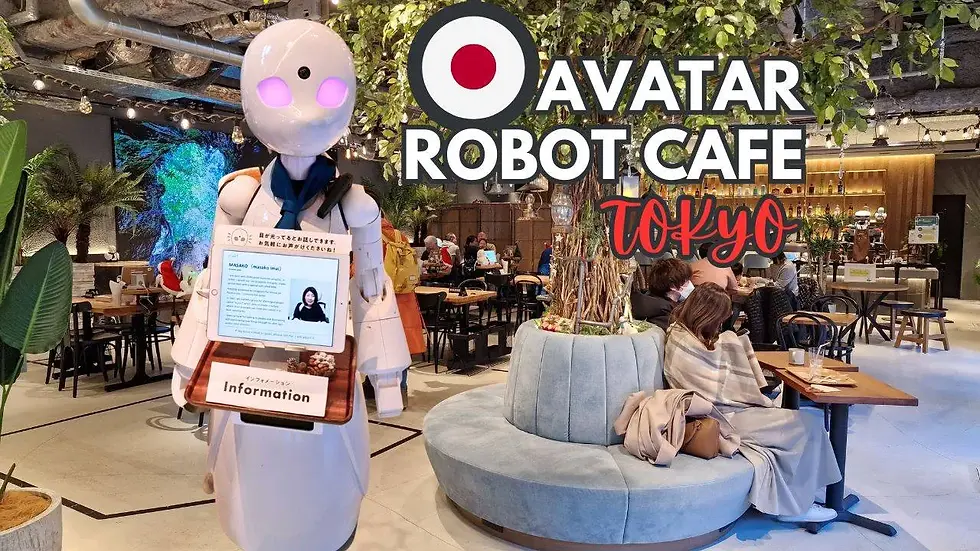
Japan’s reputation for technology is well earned. You will see service robots in shops, robot pets, and cutting-edge tech woven into transport, vending machines, and even hotels. It feels normal after a while, but it is still impressive.
10) Low crime and strong social order
Crime levels are low compared to many countries. People leave bags on café chairs to hold a seat, children often commute to school together, and lost property frequently finds its way back to the owner. That sense of trust and order shapes how daily life feels.
11) Train delays are measured in seconds
Punctuality is taken so seriously that some companies issue apology notes if a train is even slightly late. You feel it when you travel. Everything runs on time.
12) More than 80 percent of the country is mountainous
The dense cities sit in the flatter areas. Once you start moving between regions by train, you see how dramatic the landscape really is.
13) Some Japanese businesses have been operating for over 1,000 years
There are inns and shops that trace their history back many centuries, carrying family traditions through one generation after another.
14) Slurping noodles is considered polite
It signals that you are enjoying your food. It feels strange at first, but it quickly becomes part of the experience.
15) Capsule hotels were built for workers, not tourists
Originally designed for salarymen who worked late, capsule hotels now come in all kinds of styles, from budget basics to boutique pods.

16) The language shifts with politeness levels
Japanese has multiple levels of formality. Words and grammar change depending on who you talk to, which adds another layer to communication.
17) Sushi began as street food
It was once a quick bite rather than a luxury meal. Over time, refrigeration and changing tastes pushed it into the high-end category many people know today.
18) Anime and manga are major economic forces
Japan’s creative industries bring in billions and influence tourism, fashion, and themed neighborhoods across the country.
19) Vending machines sell far more than drinks
Beyond coffee and soda, you can find machines for ice cream, hot meals, souvenirs, and seasonal items. Some neighborhoods feel like open-air vending museums.
20) Ekiben turn train journeys into a food experience
At many stations you will find ekiben, beautifully presented bento boxes themed around local ingredients. Buying one before boarding a Shinkansen and eating it as the countryside passes by is a very “Japan” moment.
For more city-specific quirks, you might enjoy our Tokyo Blogs
The Art of Living: What Japan Taught Us

Japan left us with more than photos and favorite meals. It shifted how we think about everyday life.
⪢ Wabi-sabi
One concept that stayed with us is wabi-sabi, which is about accepting imperfection, change, and the natural flow of time.
You see it in weathered wooden beams, simple ceramics, and interiors that feel complete without being polished or flawless.
It gave us a new appreciation for spaces that feel lived in rather than staged.
⪢ Ikigai
We also kept hearing the word "ikigai," often described as a reason for getting up in the morning. It is not always something grand.
It can be small and personal, like making a perfect bowl of ramen, drawing manga, or tending a tiny shop that has been in the family for generations.
That idea of everyday purpose is woven into how people move through their days.
⪢ Omotenashi
Another phrase we love is omotenashi, which captures the Japanese approach to hospitality. It is not about big performances. It is quiet, thoughtful care.
The way a ryokan host anticipates what you might need before you ask. The way staff arrange your shoes neatly while you eat.
The details that tell you someone has thought about your experience from beginning to end.

⪢ Shinrin-yoku
Then there is shinrin-yoku, often translated as forest bathing. It is the practice of spending unrushed time in nature, not for exercise, but simply to be there.
Even inside cities, Japan often finds ways to carve out green spaces and small pockets of calm. It reminded us that slowing down is not a luxury. It is part of staying balanced.
⪢ Kawaii
You can also feel the influence of kawaii, the culture of “cuteness,” everywhere. From themed cafés to mascots in train stations, there is a sense of playfulness that sits alongside all the order and structure.
It keeps the country from feeling too serious, even when everything runs with incredible efficiency.
As full-time travelers and digital nomads, these ideas matter to us. Japan reminded us to design a life that feels intentional, not just productive.
To make space for small rituals, to value quality over quantity, and to appreciate simple moments that might otherwise pass unnoticed.
Once you start noticing these words, Japan feels less like a destination and more like a set of philosophies that you can take with you when you leave.
How to Get Around Japan

Japan is one of the easiest countries to move around in once you understand how its trains and transport systems fit together.
⪢ High-speed trains and the Japan Rail (JR) Pass
The Shinkansen, Japan’s high-speed bullet train, is one of the most iconic parts of traveling here. Trains are clean, fast, and incredibly punctual. You glide between cities while the landscape shifts from mountains to coastlines and farmland.
If you are visiting several regions, the Japan Rail (JR) Pass can offer great value. It covers many Shinkansen routes and a large network of JR trains.
You can compare routes and prices through our trusted transport partner here: booking.closerlives.com
We like using this to check whether a JR Pass or individual tickets work out better for a specific itinerary.
⪢ Old and new metro systems
In cities like Tokyo and Osaka, you will often find older metro lines running alongside newer, sleeker ones.
The older lines feel slightly more worn but are still efficient. Newer lines are bright, modern, and packed with digital signage.
What they share is clarity and order. Signs are usually in Japanese and English, and color-coded lines make it easy to follow routes, even on your first day.
⪢ Bento boxes and train traditions
Train travel in Japan is not just about getting from A to B. At many stations you will find ekiben, beautifully presented bento boxes themed around local flavors.
Buying an ekiben before boarding a Shinkansen and eating it as the countryside passes by is one of those simple travel moments that feels very “Japan.”
You will also notice how quickly and efficiently trains are cleaned. Teams step aboard between services, reset the carriage, and turn seats around with impressive speed.
⪢ Orderly queues and quiet carriages
Queues on platforms are marked on the ground, and people wait neatly where the doors will open. Boarding is usually calm and unhurried, even at busy times.
Inside the carriages, phones are on silent, calls are avoided, and conversations are kept low. It creates a peaceful environment that feels respectful to everyone on board.
⪢ Staying connected while you move
For all of this to feel smooth, it helps to stay online. We recommend using an eSIM so you can access maps and translation apps wherever you go.
Our preferred option is GigSky, which offers great service and gives you 10 percent off with code CLOSERLIVES10: gigsky.com/closerlives
You can also compare more providers in our
10 Practical Tips for Visiting Japan
These are the tips we wish we had been handed before our first trip.
● Book early in peak seasons: Cherry blossom and autumn foliage seasons are popular. Hotels on your Stay22 map disappear fast, and prices rise quickly.
● Check whether you really need a JR Pass: it is great if you are covering long distances across the country. For a Tokyo- and Osaka-focused trip, regional passes can be a better value.
● Carry some cash: Card payments are common, but small eateries, shrines, and markets still prefer cash. ATMs in major convenience stores usually accept international cards.
● Use an eSIM or pocket Wi-Fi: Constant access to data makes life easier. Combining an eSIM like GigSky or Saily with local Wi-Fi means you can navigate, translate, and book on the move.
● Learn a few basic phrases: Simple words like “arigatou” (thank you), “sumimasen” (excuse me or sorry), and “onegai shimasu” (please) go a long way in daily encounters.
● Respect quiet etiquette on public transport: trains and buses are calm and almost silent. Keep calls, loud music, and speaker volume to a minimum. It makes commuting surprisingly peaceful.
● Explore side streets and local alleys: Some of our best food memories came from spots that did not look like much from the outside. Follow your nose, not just the guidebook.
● Use coin lockers for luggage: Major train stations offer lockers where you can store bags while exploring between checkout and check-in. It makes transit days less stressful.
● Learn basic shrine and temple etiquette: Use purification stations near the entrance, walk on the sides of pathways rather than the centre, and look out for photography rules.
● Consider travel insurance for active trips: If you plan to hike, ski, or try more adventurous activities, travel insurance is worth it. As full-time travelers, we like flexible nomad-friendly options such as SafetyWing, which you can also find on our Travel Insurance page.
Where to Stay in Japan

Japan offers everything from traditional ryokans to sleek city hotels and tiny capsule pods. Your experience will feel very different depending on where you stay.
Use our hotel maps for Japan to scan neighborhoods, compare prices, and find accommodation close to train stations and the sights you care about most.
⪢ Tokyo Hotels
In Tokyo, areas like Shinjuku, Hibiya, Shibuya, and Asakusa each offer a different take on the city.
⪢ Kyoto Hotels
In Kyoto, staying near Gion or Higashiyama puts you close to temples, shrines, and traditional streets.
⪢ Osaka Hotels
In Osaka, Namba and Umeda are ideal for food, nightlife, and transport connections.
Why Japan Still Captivates Us

Japan is one of those countries that keeps drawing us back into conversation. It is the contrast that does it. Ancient temples next to glass towers. Tea ceremonies on the same trip as late nights in an arcade. Ultra-modern toilets and centuries-old onsens.
Then there are the people. Many are shy or reserved at first, but interactions are usually warm and kind.
A shopkeeper slipping you a small extra snack. A stranger walking you to the right station exit rather than just pointing. These small moments are the ones that stay with us.
Japan shifts how you see travel. It invites you to slow down, pay attention, and notice the details, whether that is the way a doorway is framed or the way a bowl of noodles is placed in front of you.
FAQ: Visiting Japan
Before we dive into the questions, here is a quick summary. Japan raises a lot of practical questions because it looks futuristic and familiar yet runs by its own rules.
These answers are based on what we experienced on the ground in Tokyo, Kyoto, and Osaka.
Is Japan safe for tourists?
Yes. Japan is one of the safest countries we have visited. Violent crime is rare, and petty theft levels are low compared to many popular destinations. That said, the usual common sense still applies.
Is Japan expensive?
It can be, but there are ways to keep costs under control. Convenience store meals are surprisingly good, business hotels are often well priced, and regional train passes can help. Your accommodation choices make the biggest difference.
Do I need to speak Japanese?
No. English is common in major cities and tourist areas. Signs at stations are usually in Japanese and English. In smaller towns, translation apps and a few key phrases help.
Do I still need cash?
Yes. Cashless payments are growing, but some local restaurants, shrines, and older businesses prefer cash. We used ATMs at major convenience stores without issues.
What is the best time to go?
Spring brings cherry blossoms and a festive mood. Autumn offers rich colors and comfortable temperatures. Winter works well if you enjoy snow, hot springs, and quieter streets, especially in northern regions.
What is a ryokan?
A ryokan is a traditional Japanese inn with tatami floors, futon beds, and often an onsen. We strongly recommend staying in at least one. It gives you a deeper feel for Japanese hospitality.
Should I get a JR Pass?
It depends on your route. If you are visiting several cities across long distances, it often makes sense. If your trip is focused on one region, local or regional passes might be more cost-effective.
Do trains run at night?
Many city train lines stop around midnight. Plan your evenings so you do not miss the last train, especially in Tokyo and Osaka. Late-night taxis are not cheap.
Are tattoos allowed in onsens?
Policies vary. Some traditional onsens still do not allow tattoos, while others are more relaxed. Many modern onsens and hotel baths are tattoo-friendly, and some offer private soaking options.
Is Japan a good base for nomads?
Yes. Strong internet, reliable infrastructure, safe streets, and comfortable cafés and coworking spaces make Japan a great base.
For connectivity, we recommend checking our Best eSIMs for Travel guide and using deals like GigSky with CLOSERLIVES10 for easy data on arrival.
Related Reads
If you are planning a trip to Japan or Asia, these posts and pages pair well with this one:
Guides, tips, and real experiences to help you plan your trip with confidence.
Travel resources, tools, and services to plan smarter, save money, and travel with confidence.
Compare the best eSIMs for travel and stay connected with reliable data.
Destination insights, travel tips, and inspiration across diverse cultures and countries.


Comments